How to write your script with 120min runtime, a structured planning for any genre
Writing a 120-minute (120-page) script requires a clear structural blueprint.
The industry standard is 1 page = 1 minute of screen time. Here's a structured planning guide that works for any genre:
Core Framework: Three-Act Structure (120 pages)
\\
15-Beat "Save the Cat" Breakdown (Perfect for 120 Pages)
Tip: Analyse this for any favourite film of yours to get a better idea.
Genre-Specific Adjustments
.
Step-by-Step Planning Process
1. Pre-Writing (Concept → Outline)
Create your story concept (one-sentence logline)
Develop characters (protagonist's want, flaw, need).
Write a 1-page synopsis (beginning, middle, end)
Create a beat sheet (15 beats above)
Break into scene list (40 strong beats/scenes)
2. Writing the Draft
Use 12pt Courier font, standard margins
Scene heading format: EXT. LOCATION – DAY
Write in present tense.
Don't edit while writing—let ideas flow
3. Pacing Checklist
First 5 pages: Hook the reader immediately.
Page 15: Inciting incident (not past page 20).
Page 30: Act 1 break (protagonist chooses journey).
Page 60: Midpoint (stakes escalate).
Page 90: All is lost (lowest point).
Pages 100–115: Climax sequence
Page 120: Final image (show transformation)
4. Revision
Take a break before editing.
Check each scene advances plot OR character.
Ensure genre expectations are met (genre = why audience shows up; structure = why they stay)
Keep script under 120 pages—longer scripts are often rejected.
Quick Template for Your Script
text
ACT 1 (pp. 1–30)
- Opening Image (p.1)
- Set-up: Protagonist's world + flaw (pp. 1–10)
- Catalyst (p. 12–15)
- Debate (pp. 15–25)
- Break into Act 2 (p. 25–30)
ACT 2 (pp. 31–90)
- B Story begins (p. 30)
- Fun & Games / Genre promise (pp. 30–55)
- Midpoint (p. 60)
- Bad Guys Close In (pp. 60–75)
- All Is Lost (p. 75–90)
- Dark Night of the Soul (pp. 90–95)
ACT 3 (pp. 91–120)
- Break into Act 3 (pp. 95–100)
- Climax (pp. 100–115)
- Final Image (p. 120)
Key principle: Structure reveals character and plot; genre sets audience expectations. Study your genre's conventions but don't let gags/events replace story. The 3-act structure works because it creates a compelling trajectory with highs, lows, complications, and transformation
We created a filmmaker toolkit, which helps you in your filmmaking journey!
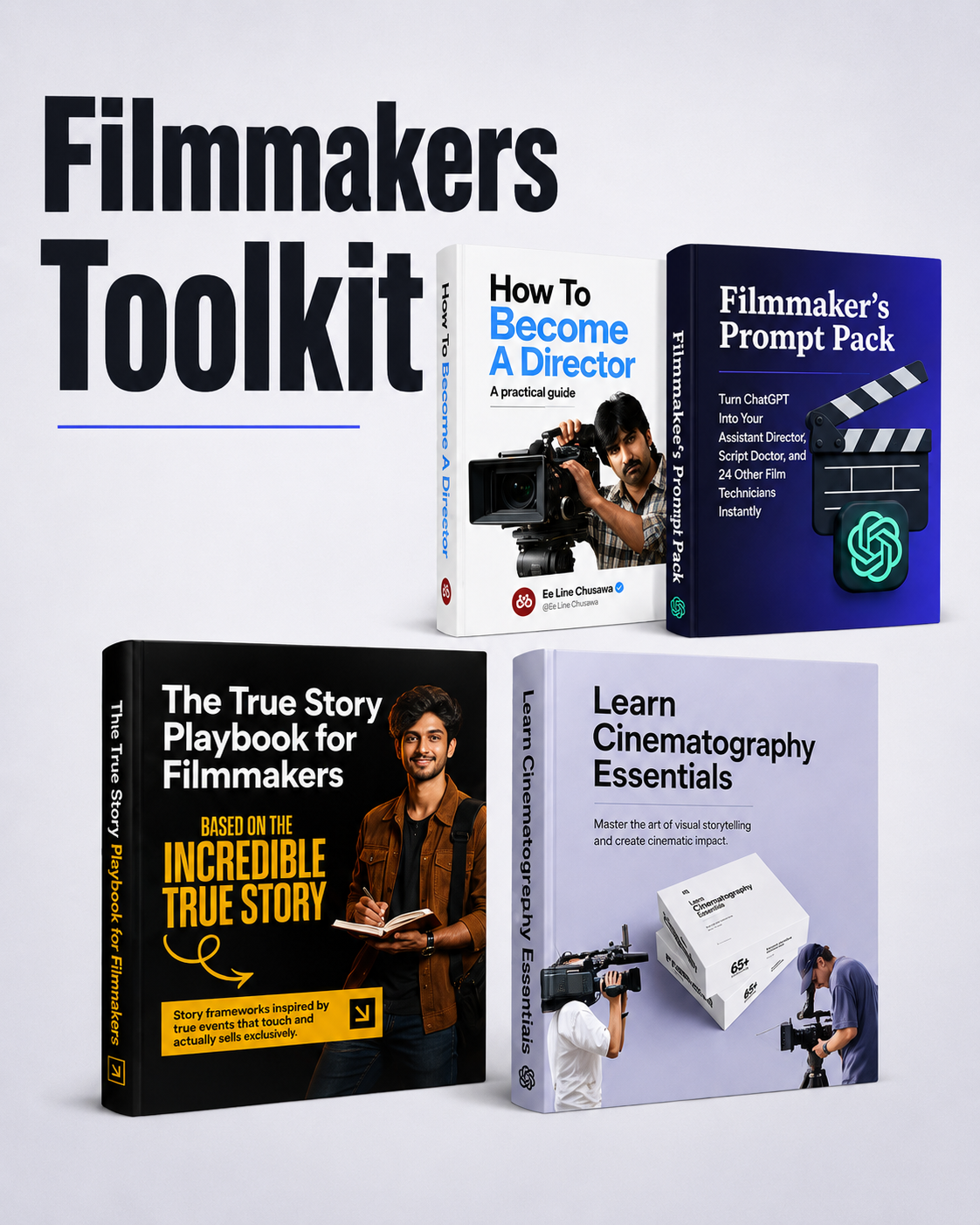
Get this now: https://superprofile.bio/vp/GHHQql4H