15 Questions to Understand Your Hero Completely
Who is your hero before the story begins?
What kind of person are they, what do they do, and how does the world see them?What kind of childhood shaped your hero?
What experiences, people, or memories built the person they are today?What is the biggest emotional wound your hero carries?
What pain, fear, insecurity, or trauma still affects them deeply?What does your hero want more than anything?
What is their biggest goal, desire, or dream in life?What does your hero actually need emotionally?
What lesson, truth, or personal change does your hero truly need to grow?What is the greatest regret of your hero?
What mistake or decision still haunts them?What is your hero hiding from the world?
What secret, truth, guilt, or side of themselves do they never openly reveal?What are the strengths and flaws of your hero?
What makes them admirable, and what keeps destroying their life?Who matters the most to your hero?
Who are the people they love, protect, admire, fear losing, or hate deeply?What are the beliefs of your hero?
What do they think about love, loyalty, success, morality, revenge, power, or life itself?How does your hero behave around others?
Are they charming, distant, funny, arrogant, caring, aggressive, awkward, or manipulative?What is the one thing your hero is most afraid of losing?
A person, reputation, dream, identity, power, or themselves?What situation would completely break your hero?
What could push them emotionally, mentally, or physically beyond their limit?What transformation does your hero go through by the end of the story?
How are they different from the person they were at the beginning?How does your hero want to be remembered?
If their story ended today, what legacy would they want to leave behind?
Who is your hero before the story begins?
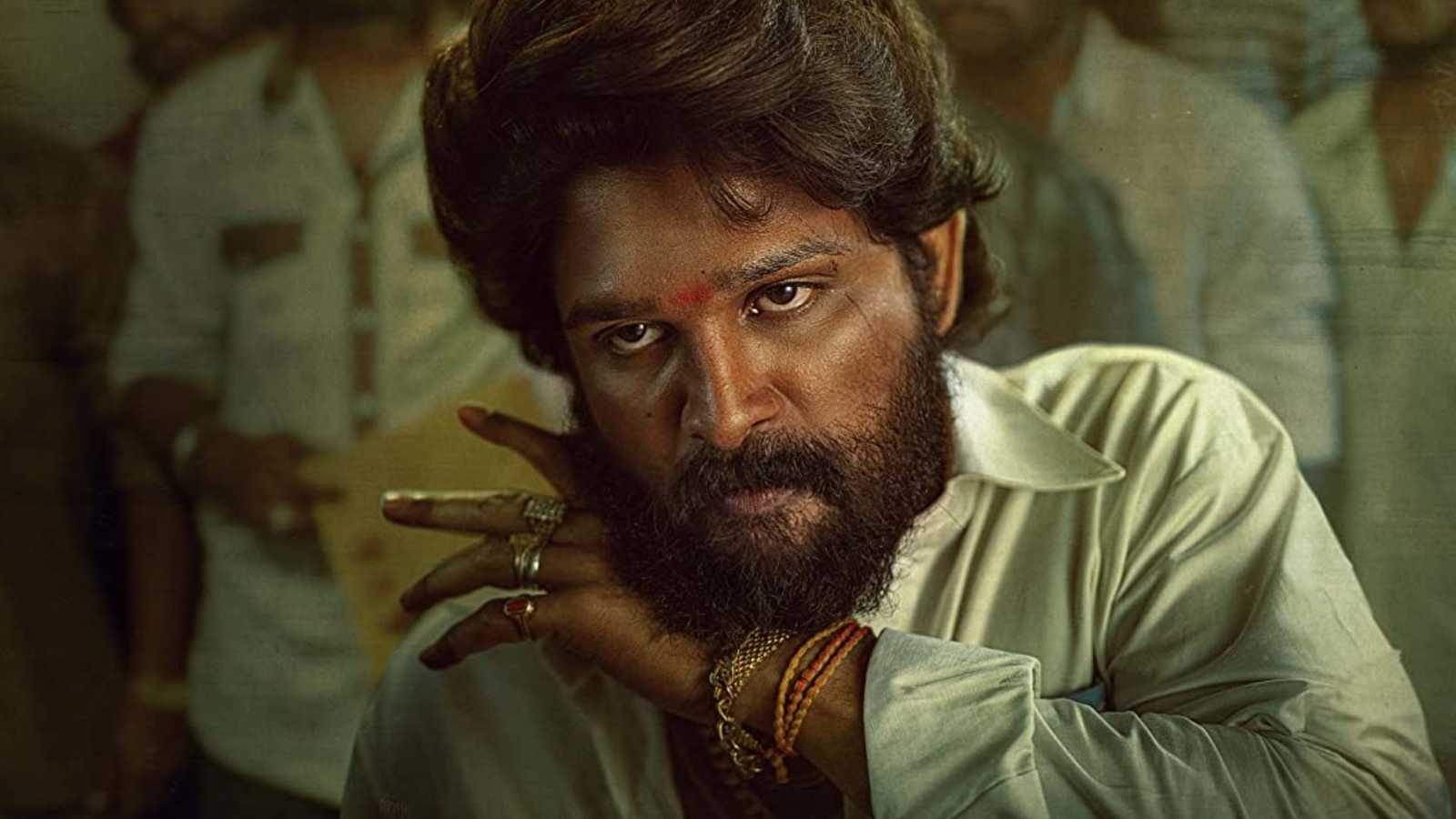
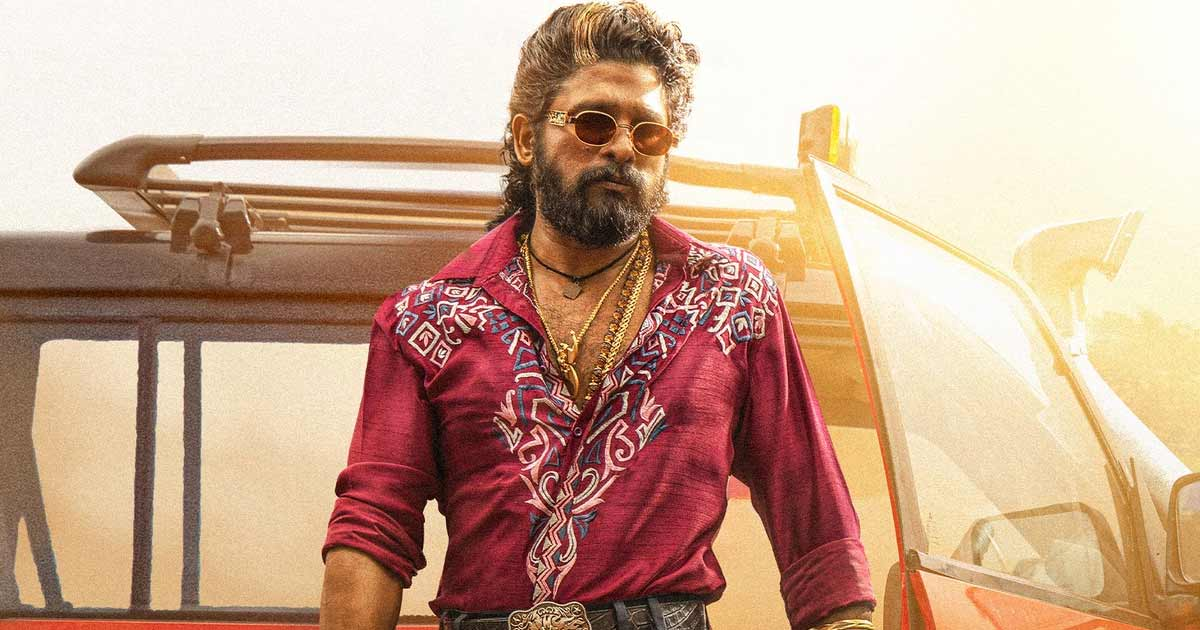
Pushpa Raj is a low-status labourer and day-to-day smuggler from a poor rural background working in the red sandalwood trade. He’s street-smart, hungry for respect, and operates on the margins of law and society.
What kind of person are they, what do they do, and how does the world see them?
He is ruthless, resourceful, proud, and fiercely ambitious. He moves timber illegally, uses cunning and violence when needed, and elevates himself through boldness. The community sees him ambiguously: feared by rivals, useful to some, and admired by those from his own class for his rise.
What kind of childhood shaped your hero?
He grew up in crushing poverty with little opportunity. Childhood scarcity taught him to fight for every scrap and to distrust structures that exclude people like him. Early lessons were survival, cunning, and a need to prove self-worth.
What experiences, people, or memories built the person they are today?
Repeated humiliation due to caste/poverty, early exposure to illegal labour economies, mentorships with local smugglers, and betrayals by supposed allies hardened him. Small wins—escaping police captures, successful smuggling runs—reinforced risk-taking.
What is the biggest emotional wound your hero carries?
The wound of social humiliation and systemic exclusion: being treated as inferior because of his class and lack of status. That sting fuels defiance and a constant need to assert dominance.
What pain, fear, insecurity, or trauma still affects them deeply?
Deep insecurity about legitimacy and belonging. He fears being reduced again to powerless poverty, and he’s anxious about being exposed, controlled, or erased by those in power.
What does your hero want more than anything?
Recognition and respect on his own terms. He wants to be acknowledged as powerful, feared, and impossible to ignore—a man who commands rather than begs.
What does your hero actually need emotionally?
Real acceptance and dignity—not just fear-driven respect. He needs someone to see his worth beyond violence and smuggling, and to offer trust that isn’t tied to status games.
What is the greatest regret of your hero?
Choices that endangered people he cared about (trusting the wrong allies or escalating conflict). Regret centers on collateral damage his ambition caused, especially to the vulnerable around him.
What is your hero hiding from the world?
A fragile core insecurity: he is more afraid and uncertain than he lets on. He may also hide specific softer attachments or vulnerabilities (yearning for normalcy, family ties) that would undermine his hard reputation.
What are the strengths and flaws of your hero?
Strengths: charisma, cunning, physical courage, relentless drive, improvisational intelligence, and loyalty to his own people. Flaws: pride, violent impulsiveness, moral compromises, a penchant for escalation, and an inability to accept help or surrender control.
Who matters the most to your hero?
Close allies from his community and any intimate attachments who validate his ascent—those he protects or whose loyalty he cannot risk losing. He fears losing status and people who affirm his identity.
What are the beliefs of your hero?
He believes in self-made power, survival through force or cleverness, and that social systems are rigged—so one must take what one can. He values loyalty within his circle but treats formal law and polite society as obstacles to be circumvented.
How does your hero behave around others?
He alternates between charming and intimidating: affable and jokey with allies, swaggering and provocative with rivals, cunning and deferential when calculation demands. He performs a rough, confident persona to command respect.
What is the one thing your hero is most afraid of losing?
His hard-won status and the reputation that protects him. Losing that would mean returning to vulnerability and irrelevance.
What situation would completely break your hero?
Public exposure and total loss of control: being stripped of power and public humiliation (especially if it endangers loved ones). The betrayal or death of someone he deeply trusts could shatter him.
What transformation does your hero go through by the end of the story?
He moves from a scrappy, reactive survivor hungry for blunt power to someone made painfully aware of the costs of his methods. Depending on the film’s arc, he either doubles down into a darker, more paranoid ruler or recognizes limits of violence and seeks a different form of respect—more guarded, strategic, and haunted.
How are they different from the person they were at the beginning?
He becomes more notorious, hardened, and influential, but also more isolated and scarred. His victories come at the cost of intimacy and moral clarity; he grows into power but loses parts of himself.
How does your hero want to be remembered?
As a man who rose from nothing to carve out his own place—feared, respected, and unforgettable. He wants an unapologetic legacy: someone who didn’t accept the world’s rules and made his own.
If their story ended today, what legacy would they want to leave behind?
A reputation of dominance and legend within his world: that Pushpa Raj was a force who refused to be invisible, who rewrote the rules for men like him.
We created a filmmaker toolkit, which helps you in your filmmaking journey!

Get this now: https://superprofile.bio/vp/GHHQql4H