
30 Low Budget Film Hacks Every Filmmaker Needs 💡
- Write for what you already have.
- Start with available resources like your home, friend’s café, terrace, bike, or office. This saves money immediately.
- Use fewer locations.
- One or two strong locations can feel more professional than many weak ones.
- Choose a small cast.
- Fewer actors means easier scheduling, lower costs, and better focus on characters.
- Daytime shoots save money.
- Natural sunlight can reduce lighting costs if used properly.
- Shoot near each other.
- Pick locations close together to save travel time and transport money.
- Use friends with real skills.
- A friend who acts well, edits, does makeup, or owns equipment can become a huge asset.
- Strong script beats expensive visuals.
- A powerful story can engage people more than costly sets or VFX.
- Plan every scene before shoot day.
- Shot lists and rehearsals save hours on set.
- Rent only when needed.
- Don’t rent equipment for many days if you only need it for one day.
- Use phones smartly.
- Modern phones can create beautiful visuals with proper lighting and framing.
- Record clean sound.
- Affordable microphones can improve quality more than an expensive camera upgrade.
- Use practical lights.
- Lamps, tube lights, street lights, and window light can become part of your scene.
- Borrow costumes wisely.
- Use actors’ own clothes when it suits the character.
- Keep props simple.
- Only use props that matter to story.
- Shoot multiple scenes in one location setup.
- Finish all scenes in the same place before moving.
- Rehearse before camera rolls.
- Practice first, record later. Saves takes and time.
- Capture extra cutaways.
- Small shots of hands, doors, road, objects help during editing.
- Feed the team well.
- Good food keeps morale high and energy strong.
- Respect volunteers.
- If people help for passion, treat them professionally.
- Use free or affordable music carefully.
- Check rights before release.
- Edit tightly.
- Remove boring parts. Tight pacing makes films feel bigger.
- Color correct basics.
- Simple color adjustments can upgrade visuals a lot.
- Create strong poster and thumbnail.
- People often judge before watching.
- Use social media as marketing.
- Behind-the-scenes, teasers, posters, and countdowns create interest for free.
- Submit to festivals smartly.
- Choose relevant festivals instead of applying everywhere blindly.
- Learn multiple skills.
- If you can direct + edit + market, you save money and gain control.
- Keep backup files.
- Always store footage in more than one place.
- Track every expense.
- Small costs become big if ignored.
- Finish the film.
- Many projects fail not because of money, but because they stay incomplete.
- Use limitations creatively.
- Sometimes budget limits force better ideas, stronger writing, and unique style.
If you want to become a director and want to know the exact path:
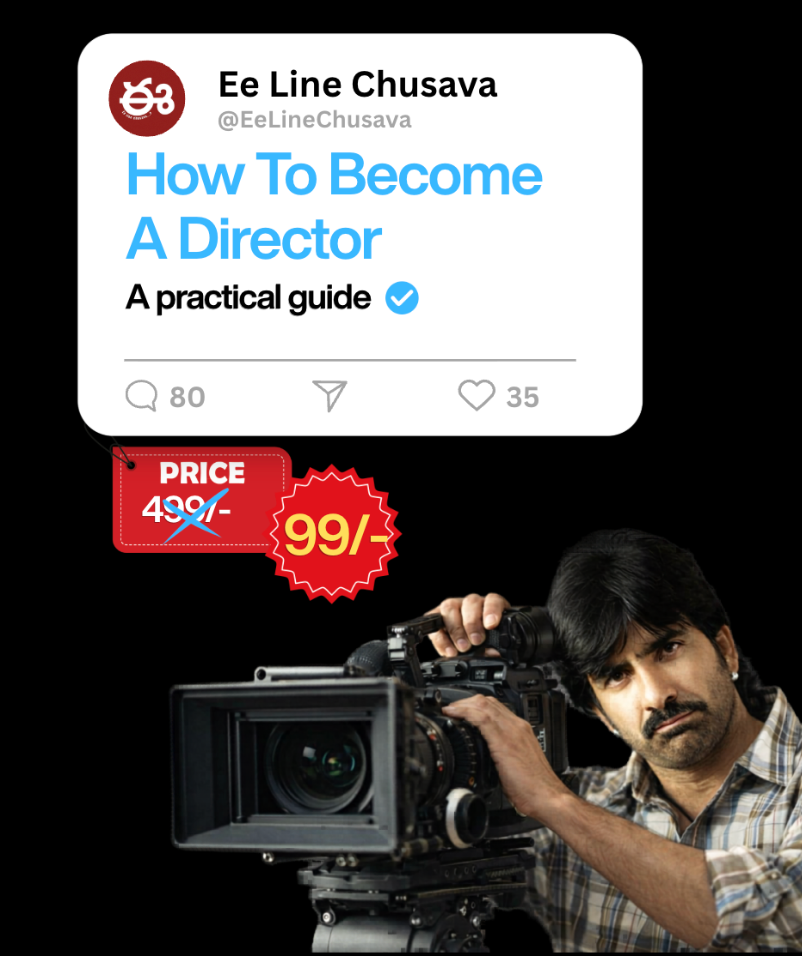
Get this bundle: https://superprofile.bio/vp/how-to-become-a-director---e-book-