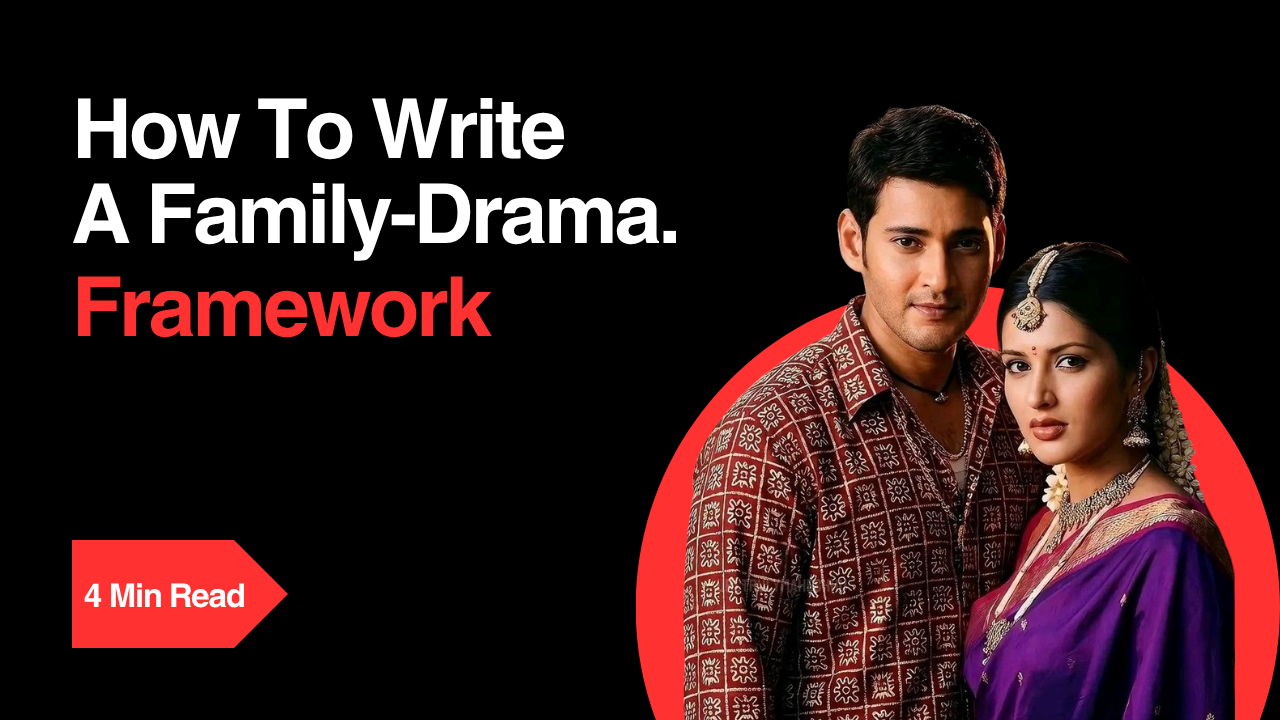
FAMILY DRAMA WRITING FRAMEWORK
1. CORE QUESTION (The Heart of the Story)
Every family drama starts with one core emotional question.
Examples:
What does it take to earn respect at home?
Can love survive ego within a family?
What is more important — dreams or family expectations?
Write yours:
"This story is about ______________________ vs ______________________."
2. FAMILY STRUCTURE (Characters Map)
Draw the emotional web, not just people.
Example:
Son wants independence but fears failure.
Bommarillu
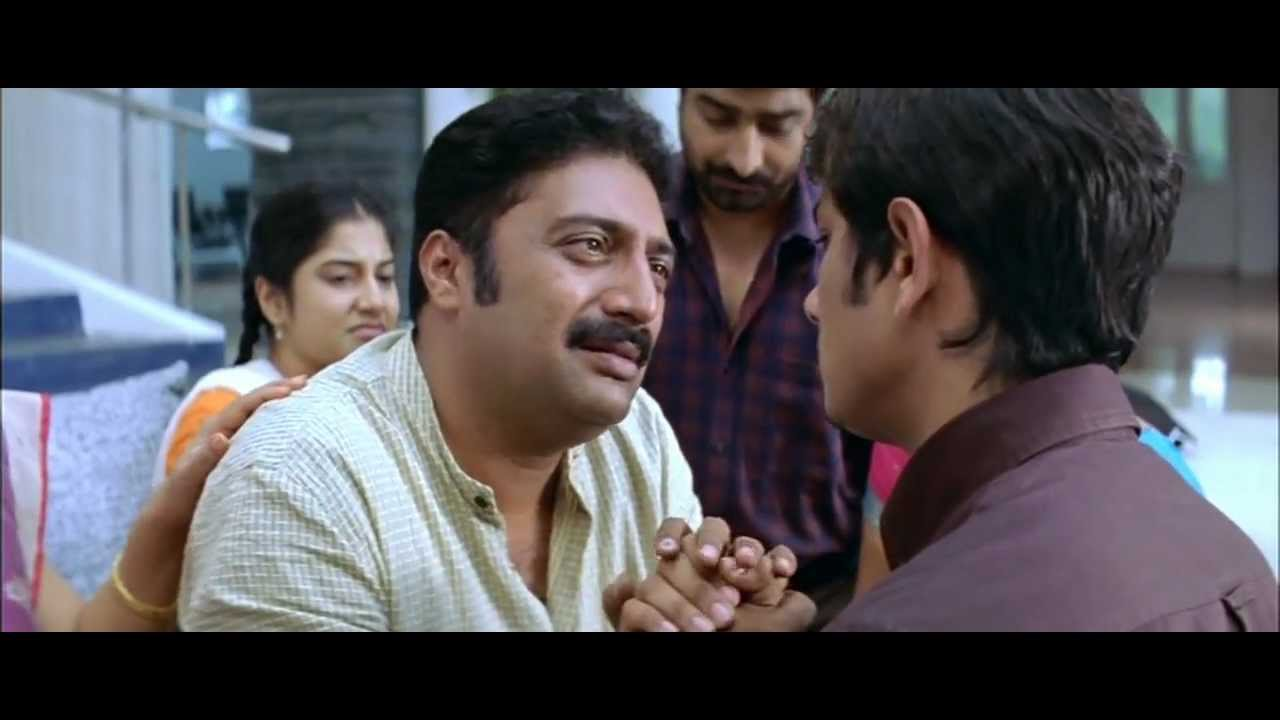
Father wants obedience but fears losing respect.
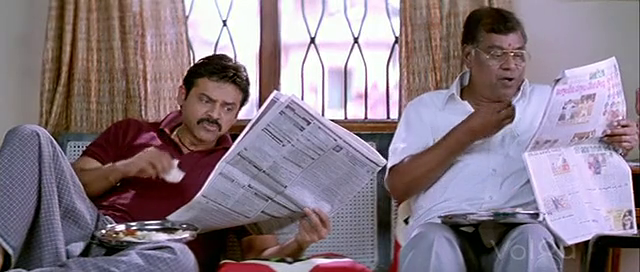
Aadavari Matalaku Arthale Verule
This clash = conflict.
3. SETTING OF PRESSURE
Put the family under one roof during emotional tension. Examples:
Festival at home
Wedding prep
Funeral house
Hospital waiting area

Aa Movie- This scene happens at a function.
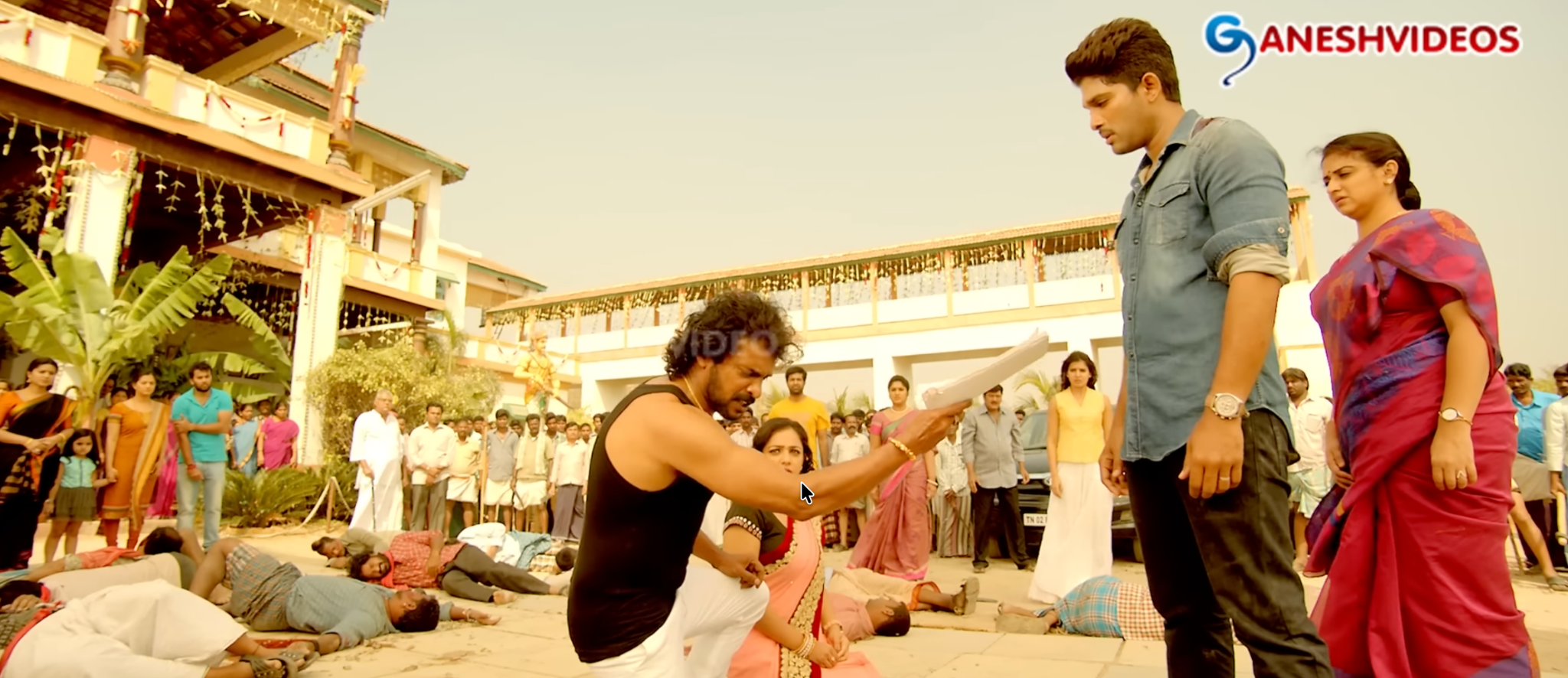
Son of Sathyamurthy; Pick a setting that forces them to stay together.
4. THE CONFLICT TRIANGLE
Family drama always has 3 sides of conflict:
PROTAGONIST (Dreams / Wishes)
vs
FAMILY (Tradition / Expectations)
vs
SOCIETY (What will people say)
If you want instant emotional weight, show Society Pressure.
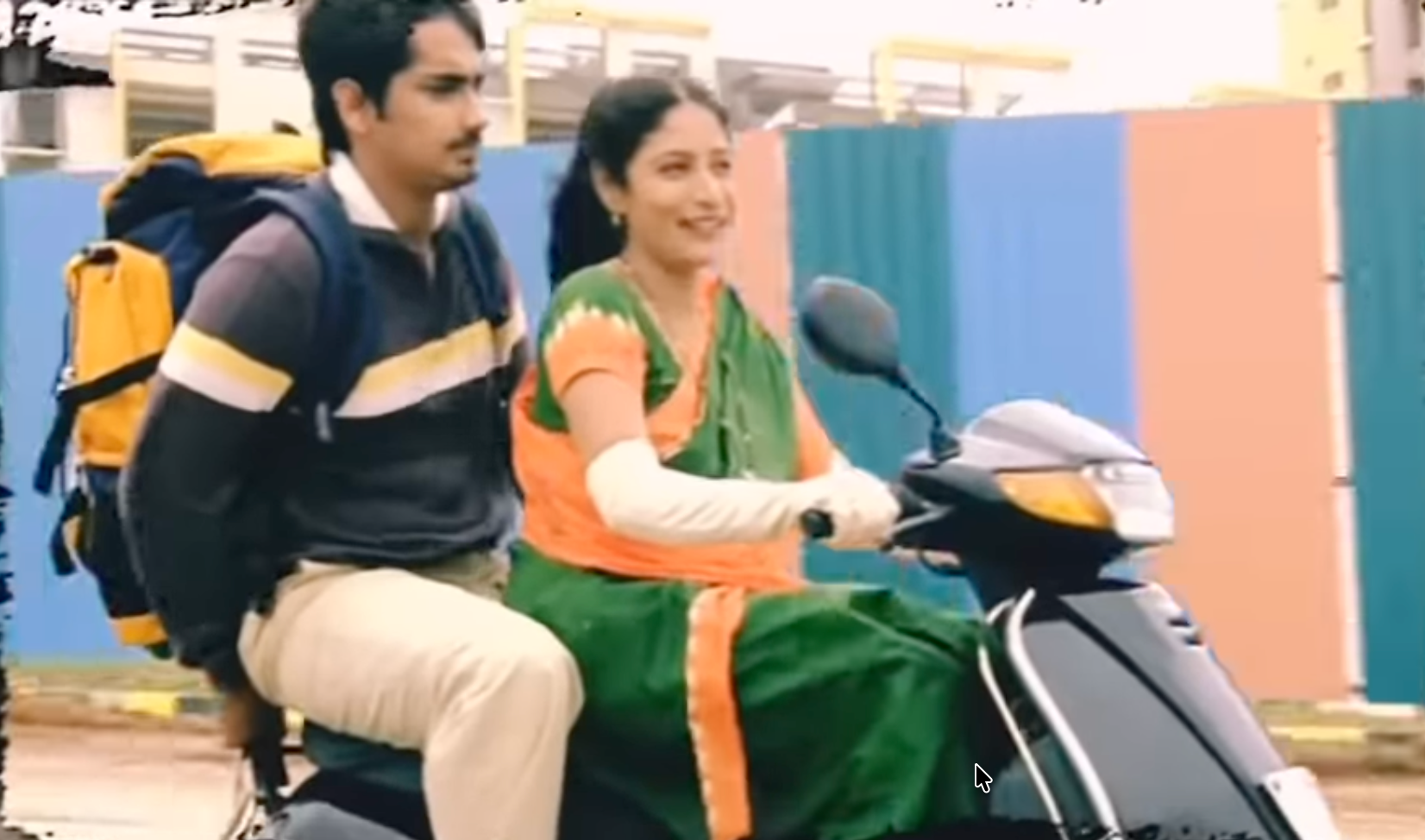
Siddhu from Bommarillu faces all 3, He has is dreams to build his own company, family wants him to be in their path, what will society think of cancelling the engagement and marrying someone else.
5. KEY BEATS (Scene Progression)
IMPORTANT:
The reconciliation should not solve everything — but soften the relationship. That makes it real.
6. DIALOGUE TONE
Family drama dialogues are:
Emotional but casual
Spoken with ego but love beneath
Indirect → They never say what they feel.
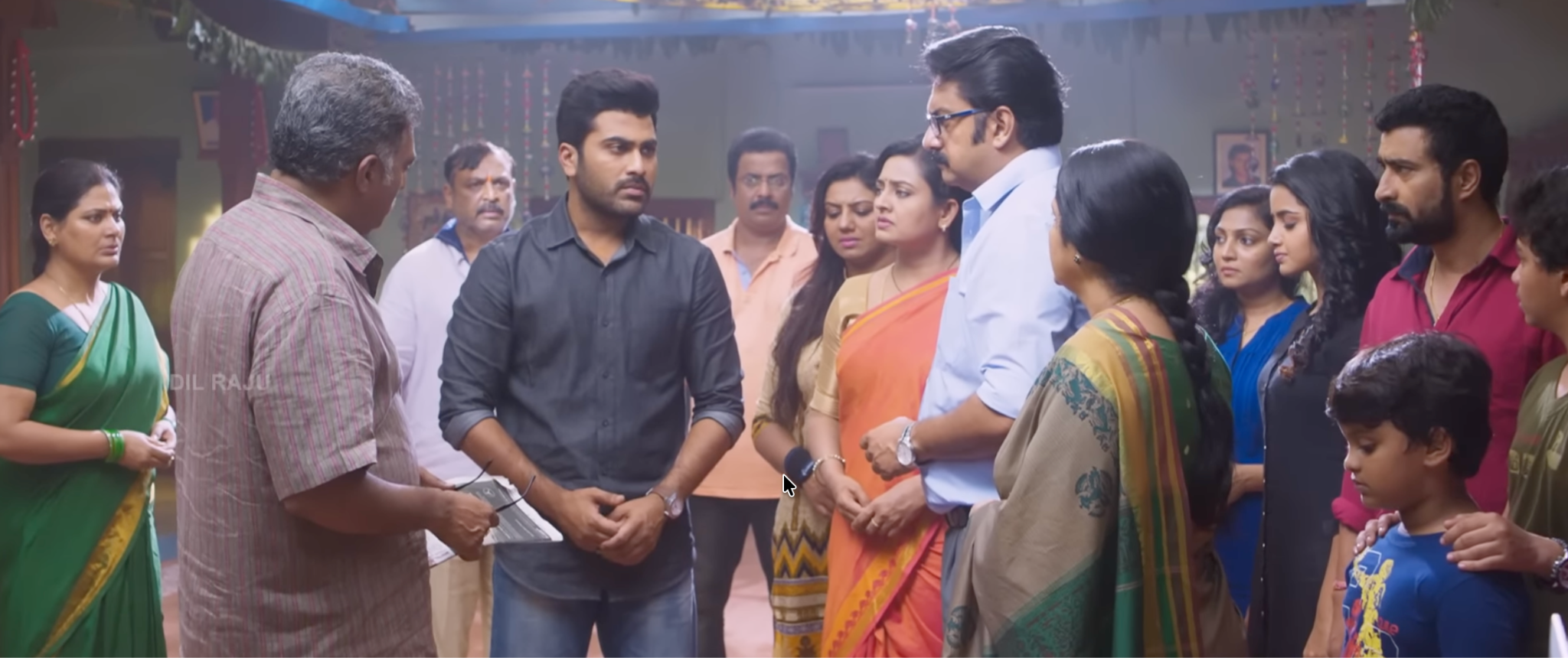
In film Shatmanambhavathi, all the character talk as per the region-slang.
7. SYMBOL / OBJECT (For Emotional Callback)
Examples:
An old watch between father and son
A saree between mother and daughter
A cricket bat two brothers shared
A lamp that only grandmother lights
Bring this object in:
once in the beginning (neutral),
once during conflict (pain),
once in conclusion (healing).
8. ENDING TYPES
Choose how the emotion lands:
EXAMPLE ONE-LINE FAMILY DRAMA
“A son who wants to move to another city for his dreams must confront a father who spent his entire life building a home he hoped his son would stay in.”
Conflict is ready 🔥
If you want to become a director and want to know the path:

Get this bundle: https://superprofile.bio/vp/how-to-become-a-director---e-book-