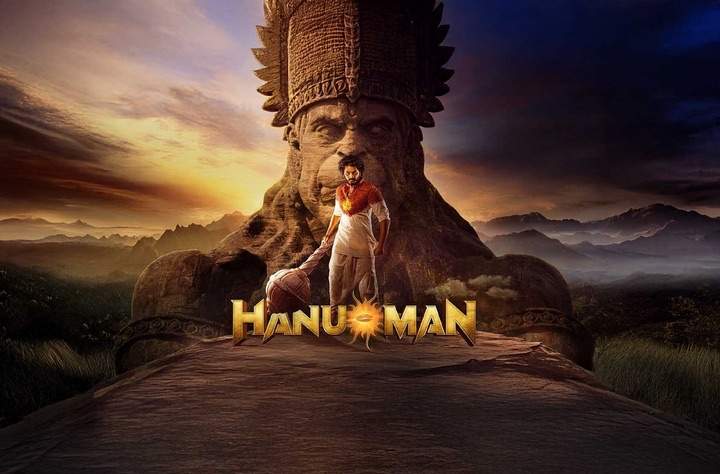
HanuMan Script: A Screenwriting Masterclass for Filmmakers
Note: This screenplay was reconstructed by using the subtitle file available online as the source material and converting it into screenplay format through coding. This is an unofficial reconstruction created purely as study material for filmmakers and screenwriters, not the official screenplay.

Prasanth Varma’s Hanu-Man represents a landmark achievement in indigenous superhero cinema, blending rich Indian mythology with modern superhero narrative conventions. Grounded in the fictional rustic hamlet of Anjanadri, Varma crafted a visually inventive, deeply emotional David-vs-Goliath spectacle that captured audiences worldwide on a modest budget. Studying the reconstructed screenplay demonstrates how rooted cultural lore and sincere emotional anchors create an authentic Indian superhero canvas.
How a Filmmaker Should Read the HanuMan Script
Don’t just read the Hanu-Man script for its mythological high moments—read it as a masterclass in world-building, mythological world integration, and grounded underdog progression. Observe how Prasanth Varma spends the entire first act establishing the petty life, flaws, and sibling bond of petty thief Hanumanthu before introducing supernatural stakes. Notice how the divine element (the Solar Gem / Mani) is governed by clear, visual rules that escalate the action naturally.
Key Takeaways from the Screenplay
Rooted Mythology with Global Appeal: Rather than replicating Western tropes, the superhero genesis and powers are organically drawn from Indian devotional lore and rural traditions.
Underdog Stakes & Sibling Anchor: The emotional core of the film rests on the tender, protective relationship between Hanumanthu and his elder sister Anjamma, raising the human stakes beyond mere superpower battles.
Visual Rule-Setting & Creative Constraints: The screenplay establishes consistent rules for the superhero gem (sunlight activation, physical limits), making the protagonist's combat problem-solving thrilling and earned.