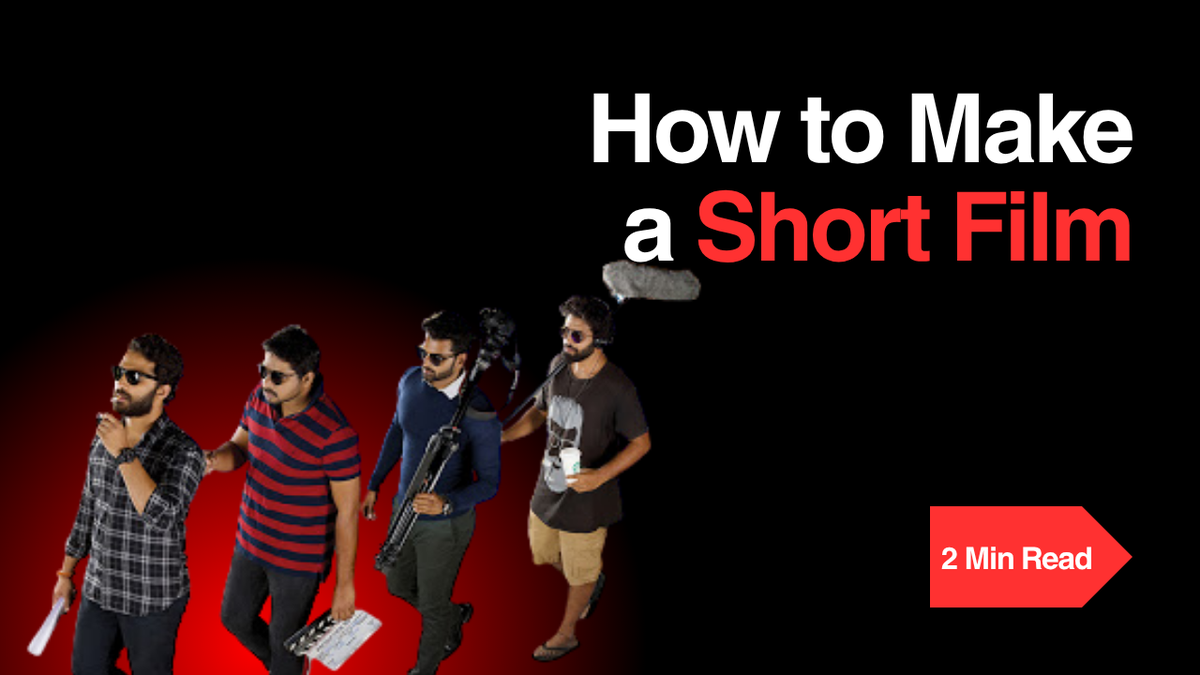
Making a short film is the fastest way to learn filmmaking because it forces real decisions: what story to tell, what to cut, who to work with and how to finish. Your first short does not need famous actors or expensive equipment. It needs a clear idea and a plan you can complete.
1. Choose an idea you can actually shoot
Write for the resources you have. If you have one strong actor, a house, a phone and two days, make those your strengths. A simple story with a clear emotional turn works better than a large action idea you cannot execute.
2. Write a one-page plan before the screenplay
Write the logline, protagonist, conflict, ending, locations, cast and the feeling you want the audience to leave with. Then turn that plan into a screenplay. Read it aloud with friends; if a scene feels slow on paper, it will usually feel slower on screen.
3. Build a realistic budget and schedule
List people, locations, camera, sound, lighting, props, transport, food and post-production. Set a maximum budget before shooting and keep a contingency. Schedule scenes by location and actor availability, not script order.
4. Build a small reliable team
For a basic short film, the essential roles are director, producer or organiser, camera operator, sound recordist and editor. One person can handle more than one job, but do not ignore sound. Audiences forgive an imperfect image faster than dialogue they cannot understand.
5. Plan your shots and rehearse
Create a shot list for every scene. Start with a master shot, then add medium shots, close-ups, reactions and inserts. Rehearse blocking before the camera is ready so cast and crew understand the movement. Keep continuity notes for costume, props and hand positions.
6. Shoot for the edit
Record clean dialogue and room tone. Hold each shot for a few seconds before and after action. Check focus, exposure and sound before moving on. Back up footage to two separate drives at the end of every shoot day.
7. Edit, get feedback and finish
Build a rough cut that focuses on story and performance before colour or effects. Show it to a few honest viewers and ask what they understood, where they felt confused and whether the ending landed. Listen for patterns, then improve the cut.
8. Prepare release assets
Export a high-quality master and a version for YouTube or festivals. Prepare a poster, logline, short synopsis, credits and subtitles. Read festival rules before uploading.
The most important rule is to finish. A completed short film becomes proof that you can direct, collaborate and solve problems.
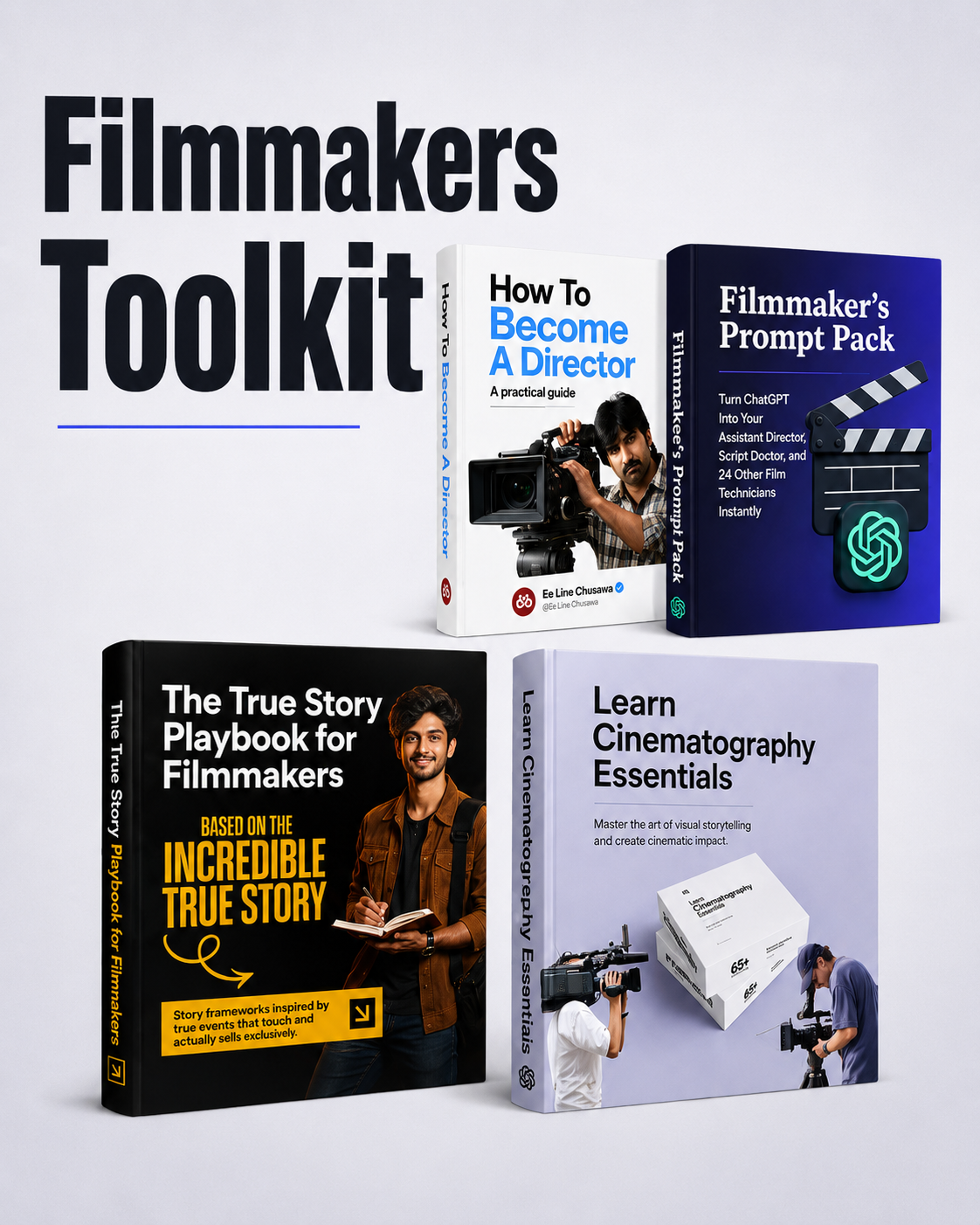
Plan your next film with confidence. Get the Filmmaker Toolkit.