How to Write 1-Minute or 2-Minute Reel Series Like Micro Dramas
Let me tell you one important truth first.
Writing micro dramas is completely different from writing films.
In films, audiences slowly enter the story.
But in reels?
You have only 2–3 seconds to stop the scroll.
That’s it.
If the audience doesn’t emotionally connect immediately…
they scroll away.
That is why writing micro dramas is becoming a very powerful storytelling skill today.
Especially for creators and aspiring filmmakers.
Because today:
- people binge reel series,
- emotionally connect with characters,
- wait for next episodes,
- share relatable scenes,
- tag their friends and partners.
And honestly?
Some micro dramas today create more emotional impact than full-length films.
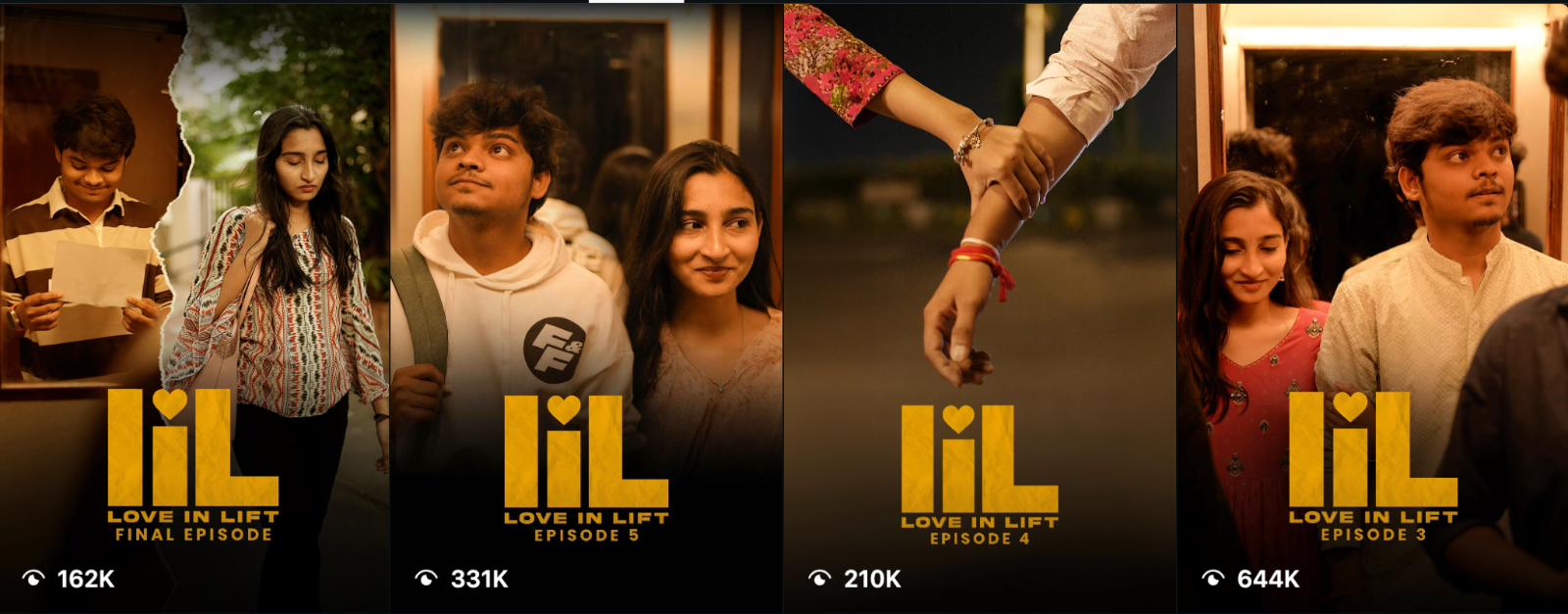
Click here to watch these: https://www.instagram.com/reel/DOQoH_hE86I/
What Makes a Good Micro Drama Work?
Simple.
Relatability.
That’s the biggest secret.
People should feel:
- “This happened with me.”
- “I know someone like this.”
- “This feels real.”
- “This conversation feels natural.”
That emotional familiarity creates engagement.
And most successful micro dramas understand this deeply.
Why Boy-Girl Relationship Stories Work So Well
Because relationships are universally relatable.
Almost everyone has experienced:
- love,
- confusion,
- rejection,
- texting anxiety,
- situationships,
- misunderstandings,
- late-night conversations,
- jealousy,
- breakup pain,
- silent feelings.
These emotions naturally create audience connection.
That’s why many successful micro dramas revolve around:
- modern relationships,
- dating,
- friendships,
- emotional tension,
- cute conflicts,
- unspoken feelings.
People don’t watch these stories for “plot.”
They watch them for emotional relatability.
The Biggest Mistake Beginners Make
Many beginners try to write:
- complicated stories,
- too many characters,
- heavy twists,
- long setups.
Wrong approach.
Micro dramas work best when:
- the situation is simple,
- the emotion is strong,
- the conflict is relatable.
That’s it.
One good emotional moment is enough.
Think in Moments, Not Movies
This is important.
Don’t think:
“I’m writing a film.”
Think:
“I’m capturing one emotional moment.”
For example:
- A girl unsending a message after typing for 10 minutes.
- A boy waiting for “typing…” to appear again.
- Two exes accidentally meeting in a lift.
- A girl pretending to be okay after seeing her ex happy.
- A late-night cab conversation between strangers.
- A boy checking her last seen repeatedly.
These are not “big plots.”
But emotionally?
Very relatable.
That’s why they work.
Watch These:
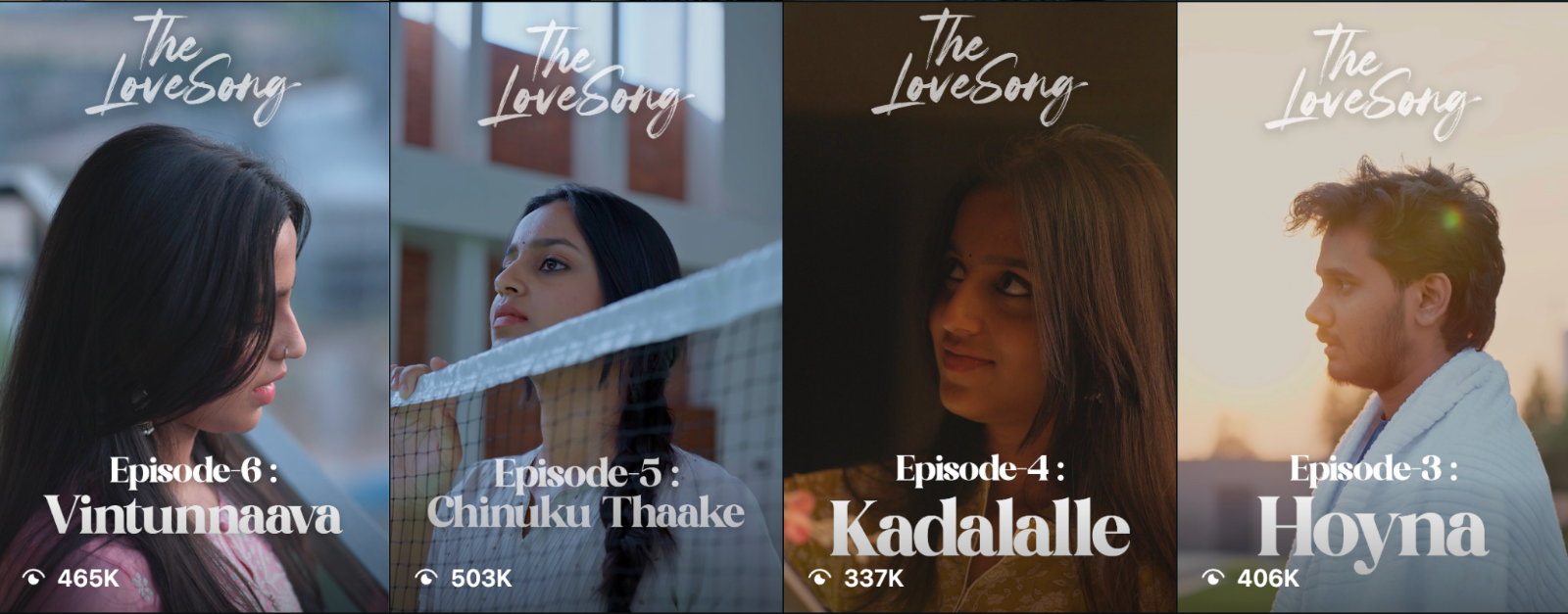
Click here: https://www.instagram.com/reel/DHV8fbsy4fK/
The SB7 Formula for Writing Micro Dramas
Let’s simplify the structure.
1. Character
Give audiences someone relatable immediately.
Usually:
- awkward boy,
- emotionally confused girl,
- introvert,
- overthinker,
- hopeless romantic,
- silent lover,
- toxic ex,
- caring best friend.
Keep characters simple and recognizable quickly.
Because reels move fast.
2. Problem
Introduce emotional tension immediately.
Examples:
- breakup,
- misunderstanding,
- ignored text,
- one-sided love,
- jealousy,
- emotional distance,
- family pressure,
- friendship turning into love.
Conflict should appear within first few seconds.
3. Hook
This is the most important part.
The opening line should stop scrolling.
Examples:
- “She blocked me after this conversation.”
- “He called me after 2 years.”
- “Every night she waits for one text.”
- “They broke up because of one lie.”
- “This lift ride changed their relationship.”
Hooks create curiosity instantly.
4. Emotional Build-Up
Now slowly increase emotional tension.
Don’t rush.
Use:
- pauses,
- expressions,
- silence,
- natural dialogues,
- eye contact,
- hesitation.
Micro dramas feel real when emotions feel subtle.
Not overly dramatic.
5. Emotional Twist
Near the ending, give:
- realization,
- emotional reveal,
- misunderstanding,
- painful truth,
- cute payoff,
- heartbreaking line.
This creates audience impact.
6. Cliffhanger
If it’s a series…
End with suspense.
Make audiences comment:
- “Part 2 please.”
- “What happened next?”
- “Did they patch up?”
- “Who called him?”
Curiosity creates retention.
7. Payoff
Eventually, emotional payoff matters.
Maybe:
- reunion,
- heartbreak,
- confession,
- acceptance,
- healing.
Audiences stay for emotional closure.
Dialogues Are Extremely Important
Micro dramas survive on dialogues.
Not lengthy speeches.
Simple conversational lines.
Natural language works best.
For example:
Instead of:
“I have emotionally suffered because of your absence.”
Write:
“You stopped texting suddenly… that hurt more.”
Simple always wins.
Silence Is Powerful Too
Don’t make characters talk continuously.
Sometimes:
- pauses,
- eye contact,
- typing and deleting,
- unread messages,
- silence after a question
create stronger emotions than dialogues.
Micro drama audiences notice emotional details.
Keep Episodes Short and Focused
1–2 minute stories work because they are emotionally sharp.
Don’t add:
- unnecessary side plots,
- random comedy,
- too many locations,
- too many characters.
Focus on one emotion per episode.
That clarity improves engagement.
Why Hyderabad-Based or Local Stories Work
Because local familiarity increases connection.
When audiences hear:
- local slang,
- familiar locations,
- relatable lifestyles,
- realistic situations…
they emotionally connect faster.
That’s why grounded storytelling feels authentic.
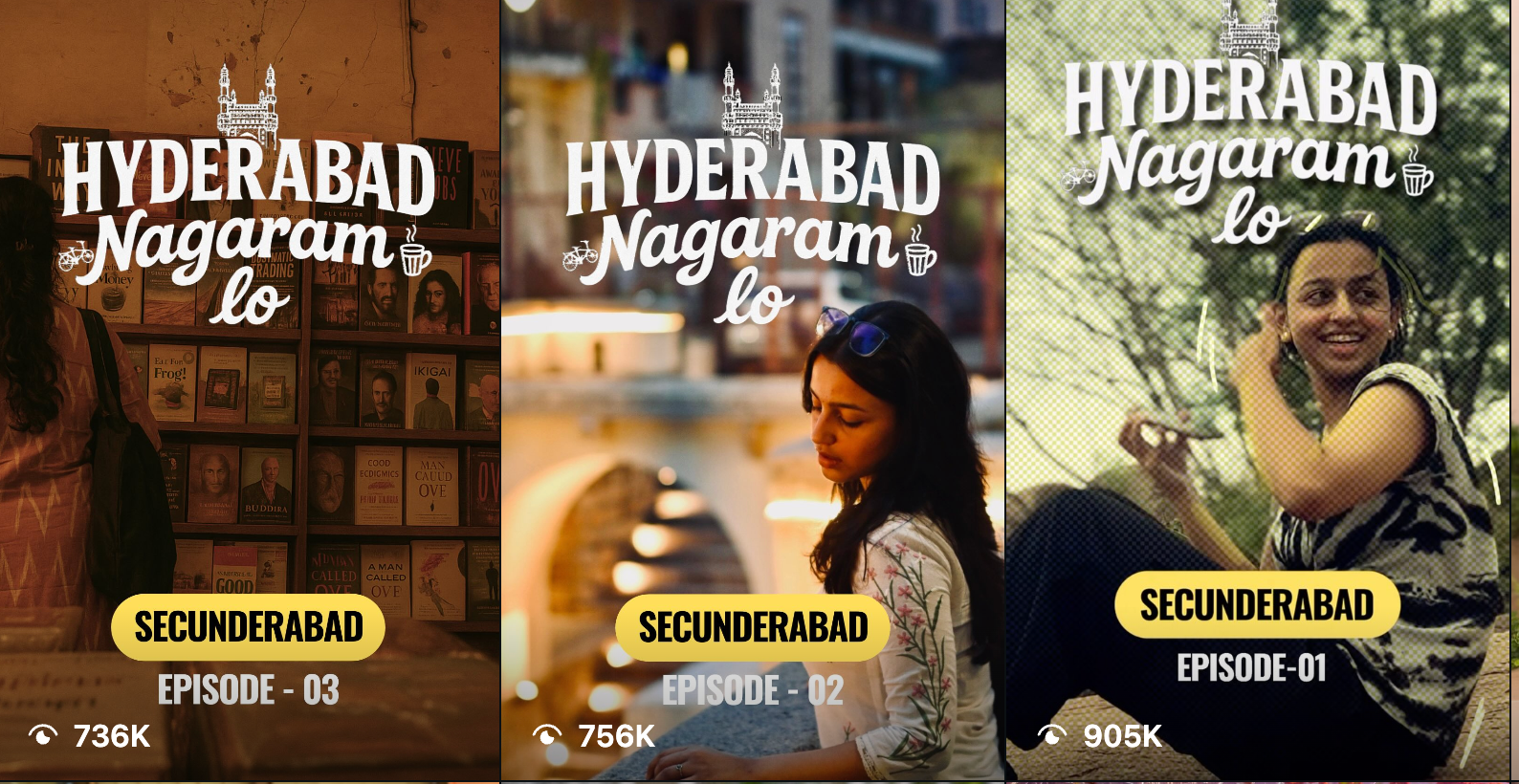
Click here to check the reel: https://www.instagram.com/reel/DJLhkh6Jw-6/
Music Matters a Lot
Music is emotional glue in micro dramas.
A simple emotional background score can completely elevate:
- longing,
- romance,
- sadness,
- nostalgia.
Sometimes music itself becomes the memory of the series.
Observe Real Conversations
This is the secret.
Don’t write “movie dialogues.”
Write human conversations.
Observe:
- WhatsApp chats,
- awkward pauses,
- dating confusion,
- overthinking patterns,
- modern relationships,
- emotional insecurities.
Real observation creates relatable writing.
Why Micro Dramas Are Powerful Today
Because attention spans are changing.
People want:
- quick emotions,
- relatable moments,
- binge-worthy stories,
- emotional comfort,
- easy consumption.
Micro dramas fit perfectly into this behavior.
And honestly?
Many filmmakers today are building audiences first through short-form storytelling.
Final Thing I Want to Tell You
Don’t try to make every micro drama “cinematic masterpiece.”
Focus on:
- emotional honesty,
- relatable moments,
- strong hooks,
- simple writing,
- emotional payoff.
That’s enough.
Because at the end of the day…
people don’t share micro dramas because of camera quality.
They share them because:
“this felt personal.”
And once audiences emotionally see themselves inside your story…
they keep coming back for the next episode.
If you have any short micro drama reels? Reach out to me on WhatsApp: