A shot list turns a script into a practical shooting plan. It tells your crew what must be filmed, in what order, and why each setup matters. It does not remove creativity on set; it gives you control when time is limited.
What a shot list includes
Each row should include scene number, shot number, shot size, angle, movement, action, equipment, sound note and estimated time.
Example: Scene 4 | Shot 4A | Wide | Static | Anu enters the tea shop | 20 minutes.
Begin with the scene purpose
Before choosing shots, ask what changes in the scene, whose point of view matters and what the audience should feel at the end. Mark the important beats: arrival, reveal, reaction and decision. Plan coverage for those beats instead of shooting random close-ups.
Essential coverage for most scenes
Wide or establishing shot
Show the space and the relationship between characters. A wide can also become useful editing coverage.
Master shot
Record the full scene from beginning to end. It gives the editor a reliable foundation.
Medium shots
Medium shots are the workhorse of dialogue scenes: close enough for performance, wide enough for movement.
Close-ups and reactions
Use close-ups when emotion, information or a decision changes the scene. Reactions often carry more meaning than dialogue.
Inserts and cutaways
Plan detail shots of the phone, letter, key, hand or object that the story needs. These shots also solve continuity problems in the edit.
Shot-list template columns
- Scene and shot number
- Location and time of day
- Shot size: wide, medium, close-up or insert
- Angle, movement and lens
- Action or dialogue beat
- Equipment and sound note
- Estimated setup time and priority
Mark must-have shots first. If the day runs late, you will know what cannot be sacrificed.
Plan for the edit
Shoot clean entrances and exits, hold shots a few seconds before and after action, record room tone, match eyelines and check screen direction. A beautiful frame is not enough if the editor cannot connect it to the next shot.
Mistakes to avoid
- Planning only beautiful images and missing story coverage.
- Forgetting sound, room tone and inserts.
- Giving every shot equal priority.
- Underestimating lighting and company-move time.
- Not discussing the list with the cinematographer and assistant director.
Tick a shot only when performance, focus and sound are usable. Notes from the set will save time in the edit.
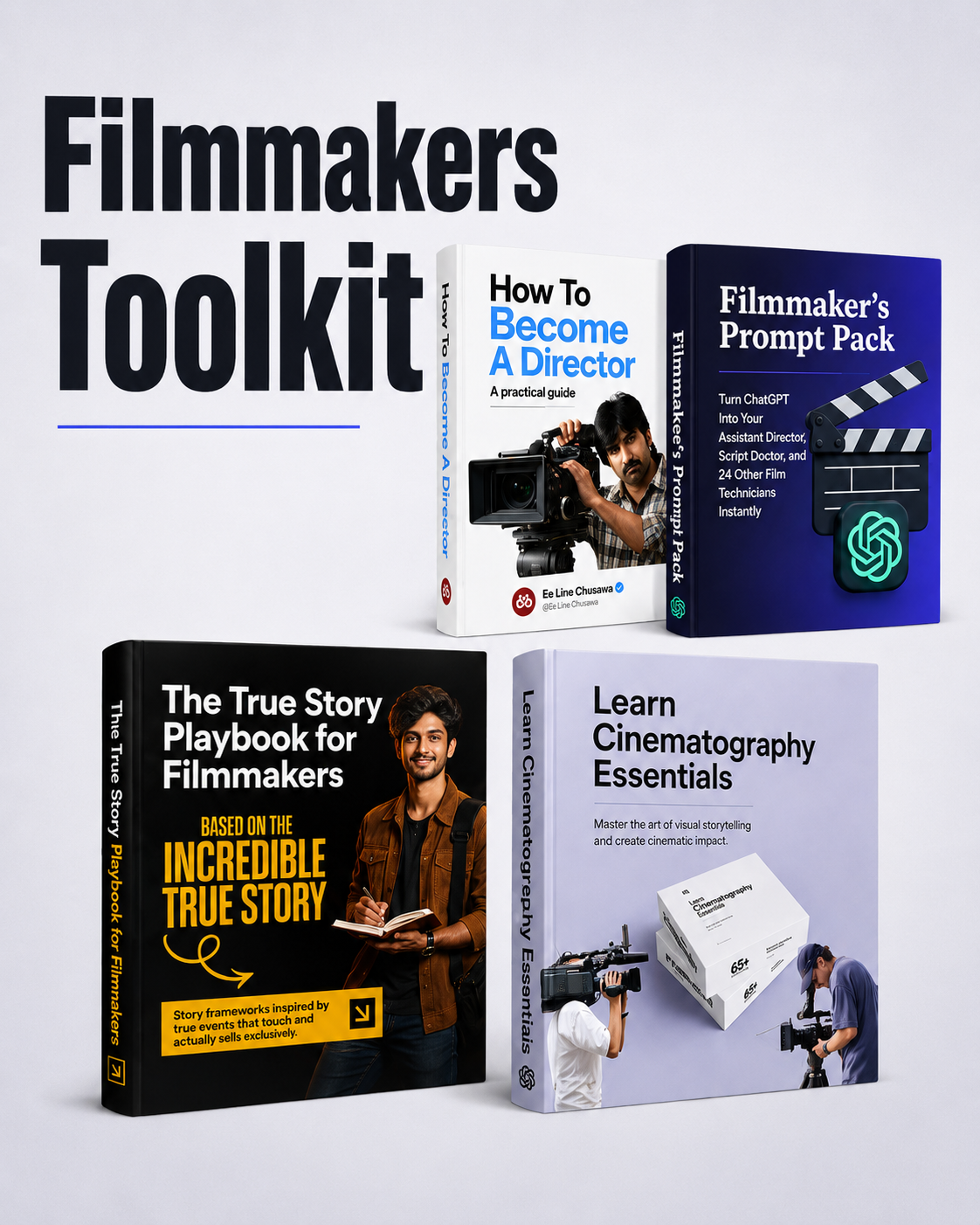
Plan your next film with confidence. Get the Filmmaker Toolkit.