
Ask These Three Questions Before Writing Any Scene
Before you write a single line of dialogue, stop and answer these three simple questions.
Screenwriter David Mamet uses this framework:
Who wants what from whom?
What happens if they don't get it?
Why now?
That's it.
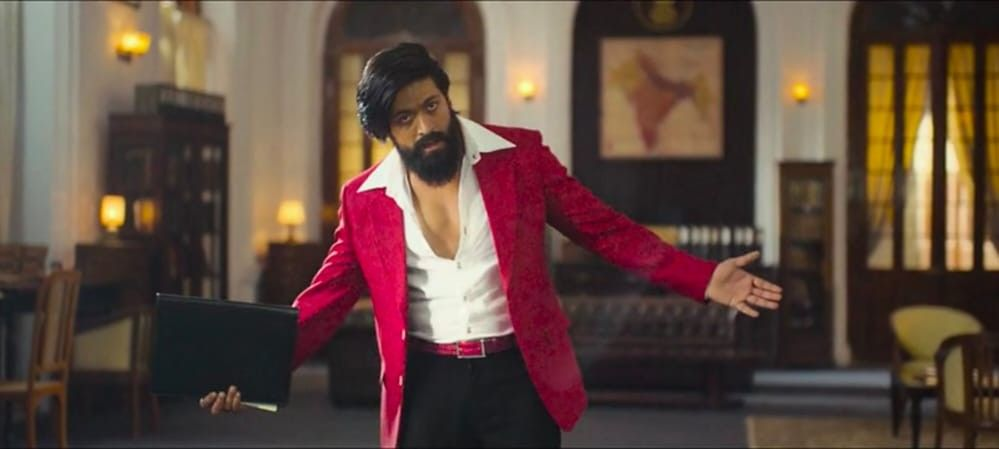
Simple, right?
Now notice something.
None of these questions ask:
"How can I make this dialogue sound cool?"
Because great dialogue doesn't come from clever words.
It comes from pressure.
When you clearly know:
what your character wants,
what's at stake if they fail,
why they must act right now...
the dialogue almost starts writing itself.
You stop searching for "good lines."
Instead, your characters naturally say what they need to say to achieve their goal.
And that's what makes dialogue feel real.
Great Dialogue Is Often Invisible
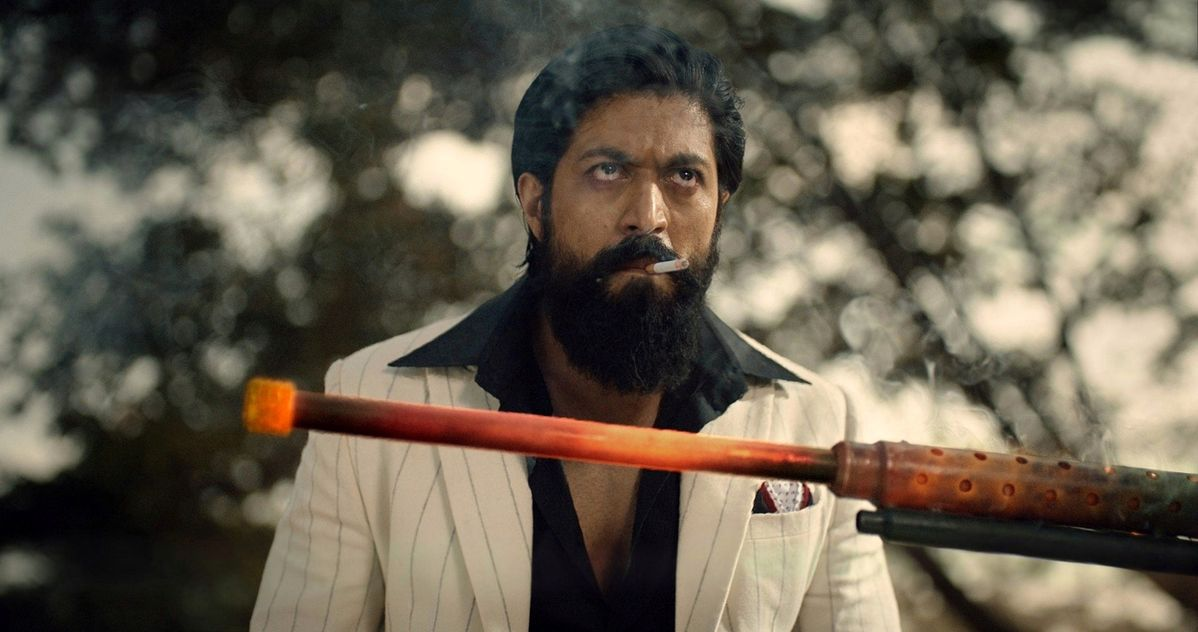
Many aspiring writers believe great dialogue should always sound like Quentin Tarantino or Aaron Sorkin.
That's not true.
Some of the best dialogue is so natural that audiences don't even notice it.
It’s trying to move the story forward.
Think about film editing.
The best editing is usually invisible.
Great dialogue works the same way.
When audiences forget they're listening to "written dialogue," you've done your job well.
Stop Overthinking Every Line
One of the biggest reasons writers struggle with dialogue is because they try to remember too many writing rules at once.
You'll hear advice like:
Add more subtext.
Avoid exposition.
Use emotional verbs.
Hide the real meaning.
Never let characters say what they feel.
And suddenly...
writing becomes stressful.
The truth is much simpler.
If your character has:
a clear goal,
a strong obstacle,
real pressure,
their dialogue will naturally sound different.
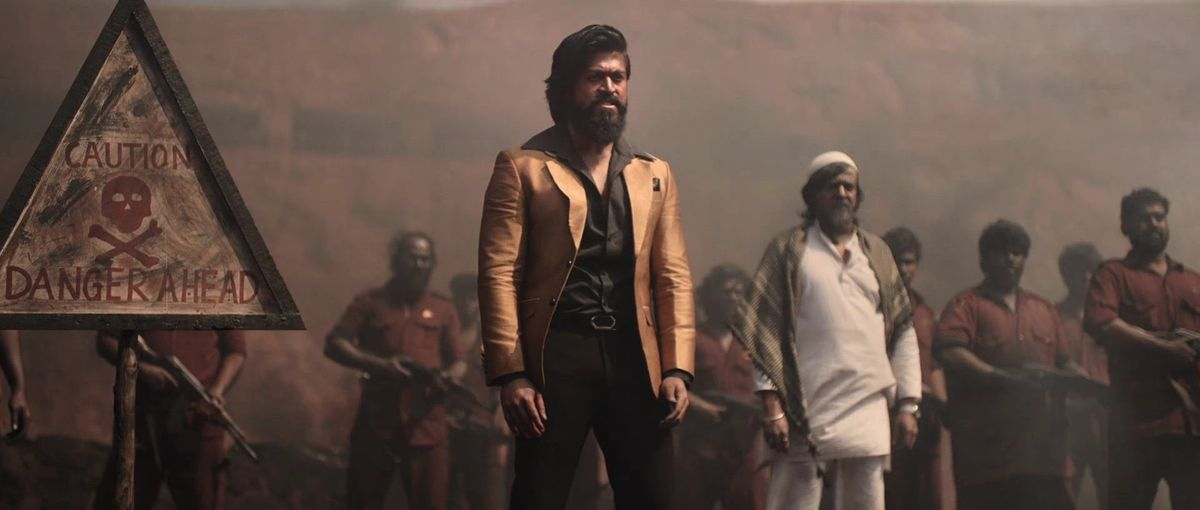
Someone asking for forgiveness won't speak like someone seeking revenge.
Someone trying to hide a secret won't speak like someone telling the truth.
Purpose creates voice.
Not complicated theories.
So before rewriting every sentence ten times, ask yourself one simple question:
"Does my character clearly want something in this scene?"
If the answer is yes, the dialogue will usually find its own voice.
We created a filmmaker toolkit, which helps you in your filmmaking journey!

Get this now: https://superprofile.bio/vp/GHHQql4H