🎬 What is a Non-Linear Narrative?
A Non-Linear Narrative is a storytelling technique where the story does NOT follow time in a straight line.
Instead of:
Beginning → Middle → End
It goes like:
Future → Past → Present → Flashback → Parallel timelines → Back to future
The goal is to:
Create mystery
Increase emotional impact
Slowly reveal hidden truth
🧠 Why Filmmakers Use It
You use non-linear storytelling to:
Keep the audience hooked
Reveal information in layers
Add twists
Show psychological depth
It makes the audience think:
“Ohhh, so THAT’S what happened…”
🔍 Types of Non-Linear Structures
1. Flashback-Driven Story
Large parts of the film happen in the past.
📌 Example pattern:
Present → Flashback → Back to Present → Deeper Flashback
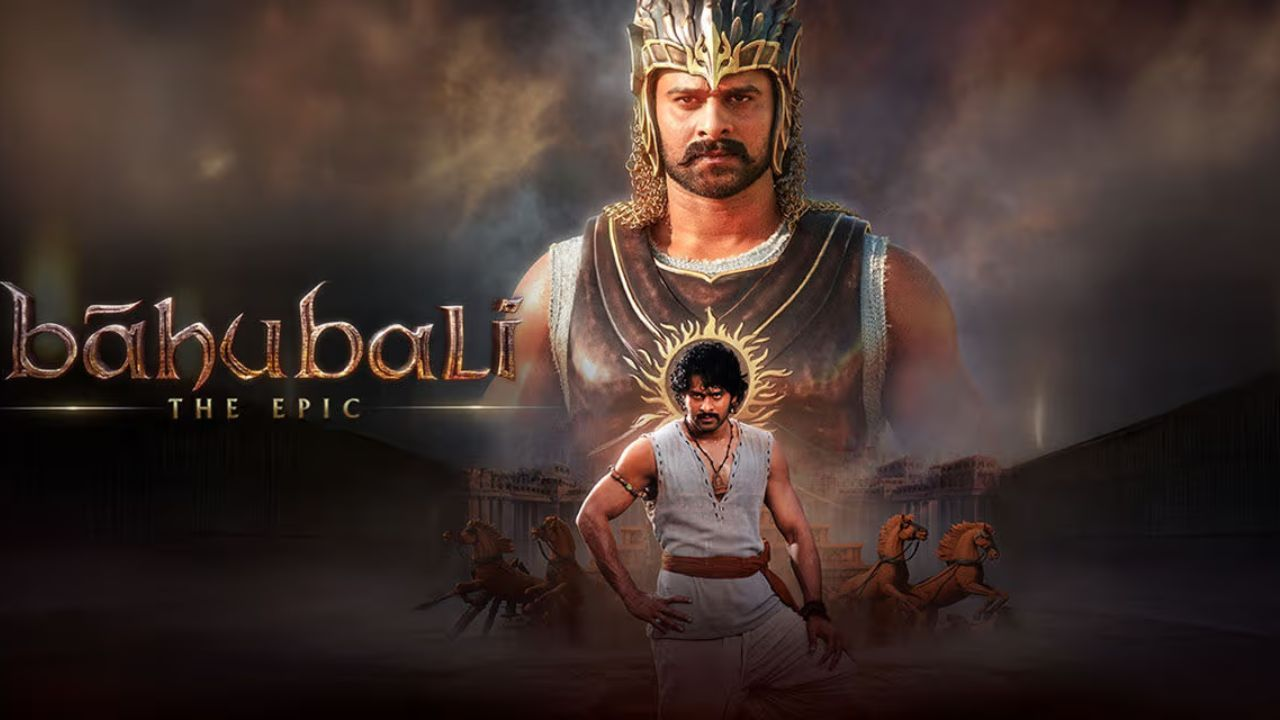
2. Parallel Timelines
Two different time periods shown alternately.
📌 Example:
2025 storyline + 2005 storyline running together.

3. Reverse Chronology
Story moves backwards in time.
Example:
Effect → Cause → Origin.
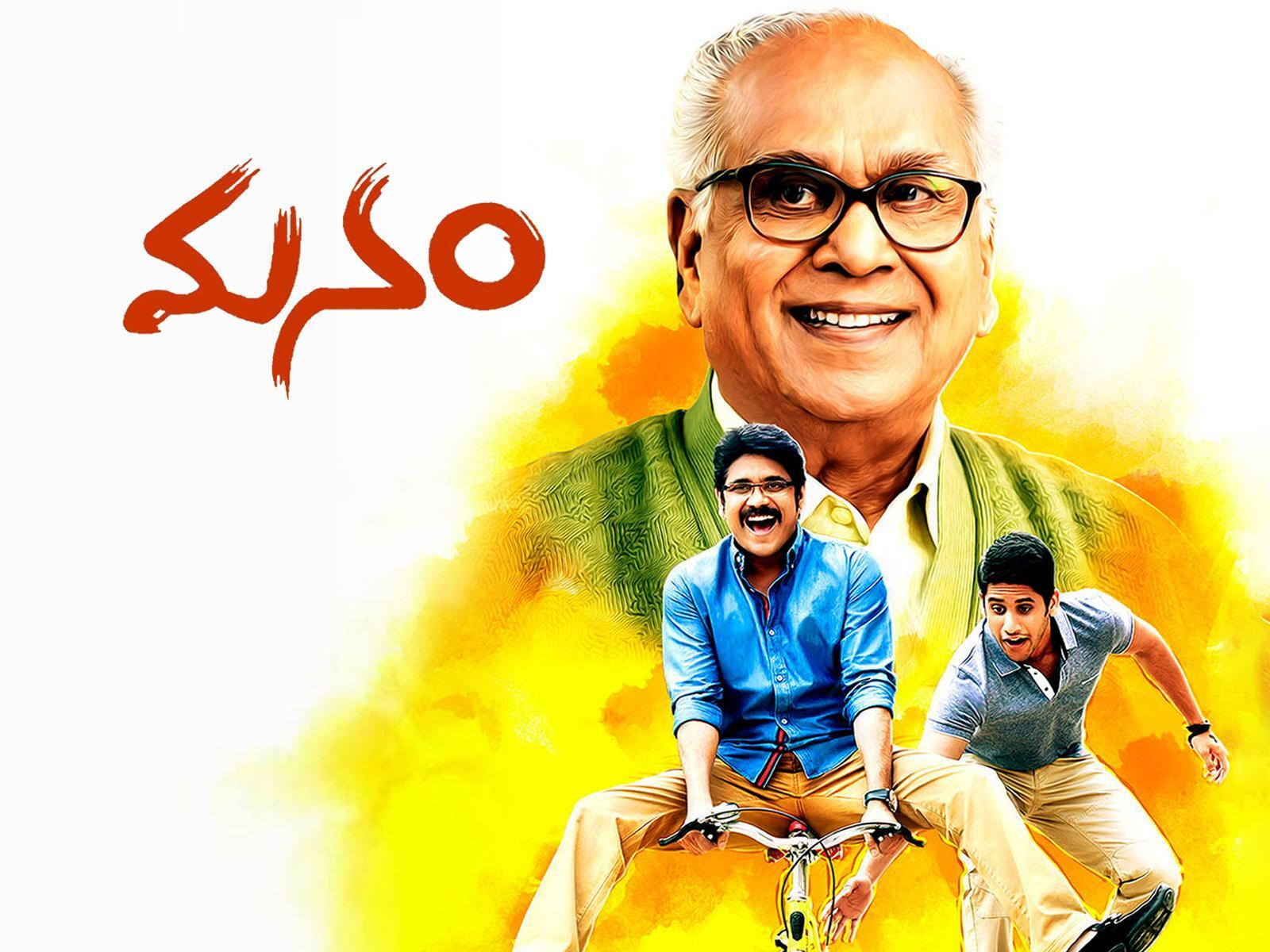
4. Fragmented Memory Structure
Story shown as broken memories, often from POV of trauma or illness.

🎥 Telugu Movie References
1. 1: Nenokkadine (2014) – Mahesh Babu
✅ Uses:
Flashbacks
Fragmented memories
Reality vs illusion
How it uses non-linearity:
The film jumps between:
Present → Childhood memories → Hallucinations → Back to present
Audience slowly realizes:
What is real and what is imagination.
2. Anukokunda Oka Roju (2005)
✅ Non-Linear Elements:
Time gaps
Missing memory
Flashbacks revealed later
The heroine forgets one full day.
Story reveals that day in pieces, not in order.
3. Eega (2012) – Partial Non-Linear Technique
✅ Uses:
Death shown early
Rebirth happens after
Backstories are revealed later
Chronology is broken to increase emotional power.
4. Kshanam (2016)
✅ Mixed structure:
Present investigation + past reveals + twist timeline.
Audience discovers the truth only when all time pieces connect.
✍️ How to Write a Non-Linear Story (Filmmaker Method)
Step 1: Write the Story in Straight Line First
Example:
Start → Conflict → Climax → Ending
Step 2: Break the Timeline
Decide where to:
Start late
Flashback
Jump forward
Step 3: Create “Information Gaps”
Hide key facts early.
Reveal them later through scenes.
Step 4: Use Visual & Sound Clues
Change:
Color tone
Lighting
Costume age
Music tone
So audience knows:
“Different time.”
🎯 Simple Example (Telugu Style Scene)
Linear version:
A boy is bullied → grows up → becomes powerful → faces bully
Non-Linear version:
Start with:
The grown-up man fighting someone → cut to childhood → back to fight → reveal bully twist
🧩 When to Use Non-Linear Narrative
Best for genres:
✅ Thriller
✅ Mystery
✅ Psychological drama
✅ Suspense
✅ Sci-fi
Avoid it for:
❌ Simple rom-coms
❌ Kids films
🎬 Director Tip for Telugu Filmmakers
If you are making a short film or indie film in Telugu:
Start the film from the climax, then go backwards in chunks.
It immediately hooks Indian audiences.
🎬 Want to learn how to prompt like a filmmaker?
Get the Ultimate Filmmaker’s Prompt Pack — 100+ prompts for writing, visuals, and shot design.Ultimate Film Makers Prompt Bundle
Get the bundle now - Click Here For The Bundle